 By Tom Billy
In every modern laboratory, small details matter. Among the most widely used pieces of equipment is the tubo eppendorf, a simple yet indispensable tool for research, clinical diagnostics, and academic training. For scientists and students in Mexico, having access to authentic and high-quality Eppendorf tubes is critical. That is where Zogbi, a trusted distributor of laboratory supplies in Mexico, becomes essential.
Understanding the Eppendorf Tube
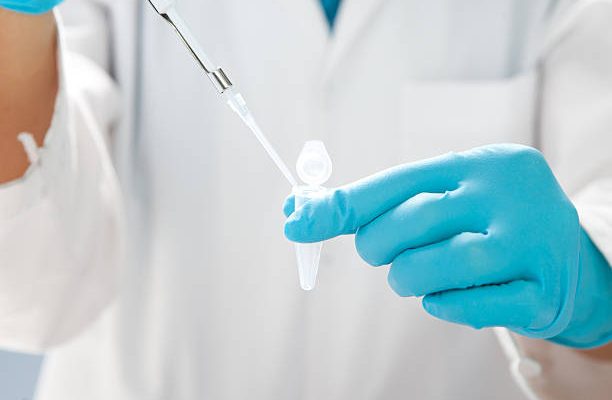
An Eppendorf tube, also known as a microcentrifuge tube, is a small cylindrical container made from high-quality plastic, typically polypropylene. It is designed to safely hold small volumes of liquid ranging from microliters up to a few milliliters. The tube comes with a snap-cap lid that ensures airtight sealing, protecting samples from evaporation, contamination, and accidental spills.
These tubes are highly resistant to chemicals, temperature fluctuations, and mechanical stress. Because of their durability and reliability, they have become a standard in laboratories worldwide, especially in molecular biology and biochemistry.
Key Features of Eppendorf Tubes
Several factors make Eppendorf tubes the preferred choice for researchers:
-
Material strength: Polypropylene construction allows resistance to chemicals and high centrifugation forces.
-
Transparency: Clear design helps in monitoring liquid levels and observing reactions.
-
Graduation marks: Easy-to-read volume markers ensure precise handling of samples.
-
Secure lids: Leak-proof caps prevent sample loss during storage and centrifugation.
-
Sterility options: Available in sterile and non-sterile formats, meeting diverse laboratory requirements.
These design elements contribute to error reduction and efficiency in complex scientific workflows.
Applications Across Scientific Fields
Eppendorf tubes are versatile, serving multiple disciplines. Their common uses include:
Molecular Biology
-
DNA and RNA extraction, purification, and storage
-
PCR reaction preparation
-
Enzyme reactions requiring precise conditions
Biotechnology
-
Protein isolation and analysis
-
Preparation of cell cultures and bacterial samples
-
Buffer mixing and reagent storage
Chemistry
-
Small-scale reactions requiring controlled environments
-
Storage of solvents and chemical reagents
-
Centrifugation of samples for separation
Clinical and Academic Laboratories
-
Blood plasma or serum separation
-
Preparation of diagnostic samples
-
Teaching practical skills in biology and chemistry classes
The universal adaptability of Eppendorf tubes makes them indispensable in both advanced research institutions and educational settings.
Variations in Size and Their Practical Uses
Eppendorf tubes are available in multiple capacities, allowing flexibility depending on experimental needs:
-
0.5 ml tubes: Ideal for small-volume reactions or highly concentrated samples where minimal space is required.
-
1.5 ml tubes: The most commonly used size, suitable for general laboratory applications such as PCR setup, reagent storage, or centrifugation.
-
2 ml tubes: Designed for slightly larger sample volumes, making them useful in protein research, bacterial culture preparation, or large-scale DNA isolation.
The choice of tube depends on the type of experiment, volume of liquid, and centrifuge compatibility.
Safe and Efficient Handling of Eppendorf Tubes
To ensure reliable results, proper handling of Eppendorf tubes is critical. Laboratories follow best practices such as:
-
Labeling samples clearly to avoid confusion in experiments with multiple tubes.
-
Balancing centrifuges with equal tube weights to prevent equipment damage.
-
Using sterile tubes when working with sensitive biological samples.
-
Avoiding excessive force when opening or closing lids to prevent breakage.
-
Storing tubes properly at recommended temperatures to maintain sample integrity.
By adhering to these handling guidelines, laboratories safeguard both their research outcomes and the longevity of their equipment.
Why Choose Zogbi for Eppendorf Tubes in Mexico?
For researchers in Mexico, obtaining certified laboratory supplies is a priority. Zogbi has positioned itself as a reliable partner by offering:
-
Certified quality products: Authentic Eppendorf tubes and other trusted laboratory consumables.
-
Wide inventory: Availability of different tube sizes and related accessories.
-
Fast and secure deliveries: Ensuring timely supply to universities, research centers, and clinics.
-
Technical support: Guidance for proper product selection and usage in different laboratory environments.
-
Strong reputation: Years of experience in serving Mexico’s scientific community with top-grade supplies.
By sourcing Eppendorf tubes through Zogbi, laboratories gain peace of mind knowing they are using genuine, laboratory-tested products that meet international standards.
The Role of Eppendorf Tubes in Education and Research Growth
In Mexican universities and academic institutions, Eppendorf tubes play a vital role in teaching laboratory techniques to students. They allow learners to practice essential skills like pipetting, centrifugation, and reaction setup. These foundational experiences prepare future scientists and medical professionals for careers in research, diagnostics, and biotechnology.
Additionally, research laboratories across Mexico rely on consistent supply chains for consumables. Zogbi ensures that scientists can focus on innovation and discovery rather than worrying about product availability.
Building Trust in Laboratory Supply Chains
Scientific progress depends not only on brilliant minds but also on reliable equipment. A single defective or non-certified microtube can compromise experimental results. This is why trusted distributors such as Zogbi are critical in maintaining Mexico’s research and clinical standards. Their commitment to authenticity, efficiency, and customer support ensures that both established laboratories and emerging institutions can thrive.
FAQs About Eppendorf Tubes and Zogbi
Q. Are Eppendorf tubes reusable or disposable?
Most Eppendorf tubes are designed for single use to ensure sterility and prevent cross-contamination. Some laboratories may reuse them for non-sensitive experiments, but this is not recommended for high-precision work.
Q. What temperature range can Eppendorf tubes withstand?
High-quality tubes can typically withstand freezing at -80°C and heating up to 121°C during autoclaving, making them suitable for long-term storage and sterilization.
Q. Can Eppendorf tubes be used with all centrifuges?
Yes, as long as the centrifuge rotor is compatible with the tube size. Always check manufacturer guidelines to ensure maximum RPM tolerance.
Q. Why should Mexican laboratories source from Zogbi instead of general suppliers?
Zogbi specializes in laboratory-grade equipment, offering certified products, expert support, and fast delivery. This ensures that scientific institutions maintain compliance with international research standards.
Q. Does Zogbi only supply Eppendorf tubes?
No, Zogbi provides a full range of laboratory materials including consumables, instruments, and accessories, supporting diverse research and clinical needs in Mexico.