 By Tom Billy
Geelong has transformed significantly over the past decade. Once overshadowed by Melbourne in terms of lifestyle appeal, the city has evolved into one of Victoria’s most desirable places to live — with a thriving food and arts scene, strong community identity, and a diverse property market that spans heritage cottages in Newtown, contemporary homes on the Surf Coast fringe, and new estates in Armstrong Creek and Lara.
With that growth has come a corresponding surge of interest in outdoor living. Geelong homeowners are investing in their properties at a rate not seen in previous generations, and landscaping in Geelong has become one of the most active segments of the home improvement market. Whether you’re starting from scratch on a new build, refreshing an established garden, or planning a significant outdoor transformation, this guide covers what you need to know before a single plant goes in the ground.
Understanding Geelong’s Unique Landscape Conditions
Before any design decisions are made, it’s worth understanding the specific environmental conditions that shape landscaping in Geelong. The region is distinct from Melbourne in several important ways, and designs that work well on Melbourne’s clay-heavy soils or in Melbourne’s protected suburban microclimates don’t always translate directly.
Geelong experiences a more exposed, windier climate than Melbourne — particularly in bayside areas and on elevated sites near the Surf Coast. This has significant implications for plant selection. Species that thrive in protected Melbourne gardens may struggle with the salt-laden winds that come in off Port Phillip Bay or Corio Bay. Windbreaks, shelter planting, and structural elements that provide protection are often a higher priority in Geelong garden designs than they are in comparable Melbourne projects.
Soil conditions vary considerably across the Geelong region. Heavy clay soils in established suburban areas require amendment and careful drainage design. Coastal and near-coastal properties often sit on sand or sandy loam, which drains quickly but retains nutrients poorly. New estates in Armstrong Creek and the northern growth corridors have their own soil challenges, often involving compacted fill and stripped topsoil that needs significant remediation before planting.
Water access and usage are also relevant considerations. Geelong has experienced extended dry periods, and water-wise landscaping design is not just an environmental preference — it’s a practical necessity for gardens that need to perform through summer without excessive irrigation.
Popular Landscaping Styles in Geelong
Geelong’s diverse architectural character means there’s no single dominant landscaping style — the market is genuinely eclectic. However, a few broad trends stand out based on what works well in the region’s conditions and aligns with local lifestyle preferences.
Coastal and semi-coastal styles are popular across Geelong, particularly in bayside suburbs and on properties near the Surf Coast. These designs typically feature low-maintenance native and coastal plantings — coastal rosemary, dune grasses, pigface, and local banksias — combined with natural materials like timber and stone that reference the coastal environment. The emphasis is on durability, low water use, and a relaxed, informal character that suits the lifestyle.
Contemporary minimal designs have grown significantly in popularity, particularly in newer homes in the growth corridor suburbs and in the inner-city residential areas where renovation activity has been strong. Clean lines, quality paving materials, and restrained planting palettes characterise this style. The focus is on creating functional outdoor rooms rather than decorative gardens.
Heritage-inspired designs suit Geelong’s considerable stock of Victorian, Edwardian, and interwar homes. Newtown, Geelong West, and Highton contain significant numbers of older homes where a garden design that references the period of the architecture creates a more cohesive result. Formal hedging, cottage plantings, and heritage materials are recurring elements in these projects.
Regardless of style, the most successful landscaping projects in Geelong share a common characteristic: they’re designed for the specific conditions of the site and the specific lifestyle of the household.
Key Landscaping Elements That Add Value in Geelong
With Geelong’s property market remaining active despite broader economic headwinds, landscaping investment that adds genuine value to property is a sensible strategic consideration. Not all landscaping adds equal value, so it’s worth understanding where investment tends to have the strongest return.
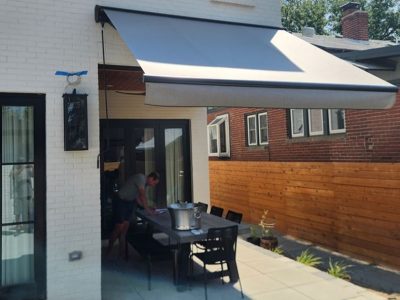
Outdoor entertainment areas continue to be the highest-value landscaping investment for most Geelong properties. A well-designed alfresco area — covered, well-lit, and connected seamlessly to the kitchen — extends the functional living area of the home and is a consistently strong drawcard for buyers in the Geelong market.
Low-maintenance gardens have strong appeal, particularly for the growing demographic of downsizers and professionals who want attractive outdoor spaces without significant weekly maintenance commitment. Designs that use mulched garden beds, drought-tolerant plants, and drip irrigation systems address this demand effectively.
Privacy and screening is a recurring priority in Geelong’s infill development areas, where blocks are narrower and proximity to neighbours is more significant. Structural hedging, climbing plants on robust trellis structures, and strategic tree placement can transform a garden that feels overlooked into one that feels genuinely private.
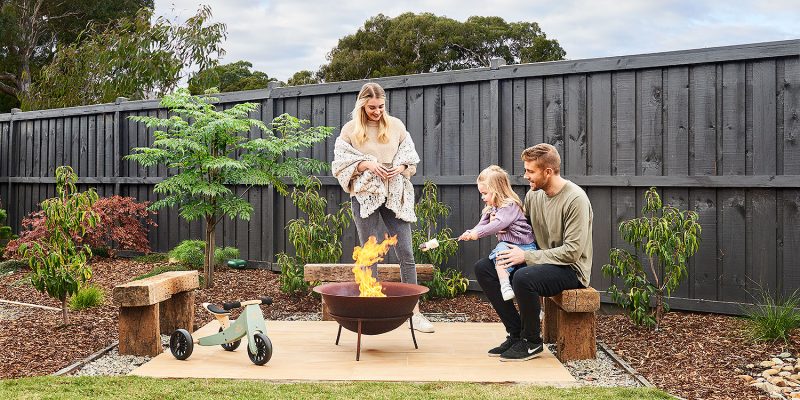
Functional outdoor spaces for children remain in strong demand from Geelong’s growing family demographic. Safe, durable surfaces, integrated play elements, and garden designs that accommodate active children without sacrificing adult aesthetics are a specific design challenge that experienced landscapers handle with increasing sophistication.
Choosing the Right Landscaping Team for Your Geelong Project
One of the most important decisions in any landscaping project is choosing the team you’ll work with. In Geelong’s growing market, the range of operators is considerable — from sole traders handling basic maintenance and minor garden works through to full-service design-and-build companies capable of managing complex, multi-stage projects.
For projects beyond basic garden maintenance, the most reliable path to a high-quality outcome is working with a landscaping company that offers genuine design capability alongside construction expertise. The design and build model — where the same team that designs your garden also builds it — consistently produces better results than separating the two, because the people building it already understand the design intent intimately.
Verify relevant experience. Geelong’s conditions are specific enough that local experience matters — a landscaper who has worked extensively in the region will understand the wind exposure issues, the soil types, and the plant species that perform reliably in local conditions. Ask for references from completed projects in the Geelong area specifically.
For homeowners in Geelong planning a significant landscaping project, an initial consultation with experienced local landscaping specialists who understand the region’s specific requirements is the right starting point.
Landscaping in Geelong presents genuine opportunities for homeowners who approach it strategically. The city’s growth trajectory, its diverse architectural character, and its strong outdoor lifestyle culture all support investment in quality outdoor spaces. The key is approaching any project with a clear understanding of the site’s specific conditions — its exposure, its soil type, its drainage characteristics, and how it connects to the home and the household’s way of living.
Projects that are grounded in this understanding, and executed by teams with genuine local experience, consistently deliver outcomes that stand the test of time. In a city that’s investing in itself on every level, it’s the right time to do the same for your outdoor space.