 By Tom Billy
The braking system is indisputably the most critical safety feature of any motor vehicle. Every time you step on the brake pedal, a complex network of mechanical, hydraulic, and friction-based components works instantaneously to slow down thousands of pounds of metal. Despite this immense responsibility, many drivers take their brakes for granted, only seeking service when squealing noises or pedal failures occur. Relying on reactive repairs rather than proactive care is a dangerous and costly approach to vehicle maintenance.
Regular brake system inspections are essential for maintaining optimal vehicle performance, ensuring passenger safety, and extending the lifespan of critical automotive components. Having a qualified technician evaluate your braking components at scheduled intervals allows you to address subtle wear patterns before they turn into severe mechanical failures. Understanding the primary benefits of routine inspections highlights why this preventative service is an indispensable part of vehicle ownership.
Uncompromising Driver and Passenger Safety
Safety is the paramount reason to schedule routine brake inspections. Your ability to avoid a collision often comes down to fractions of a second and a few crucial feet of stopping distance. Worn brake pads, compromised fluid, or scoring on the brake rotors can significantly lengthen the distance your vehicle requires to come to a complete stop, especially during sudden emergency maneuvers or inclement weather conditions.
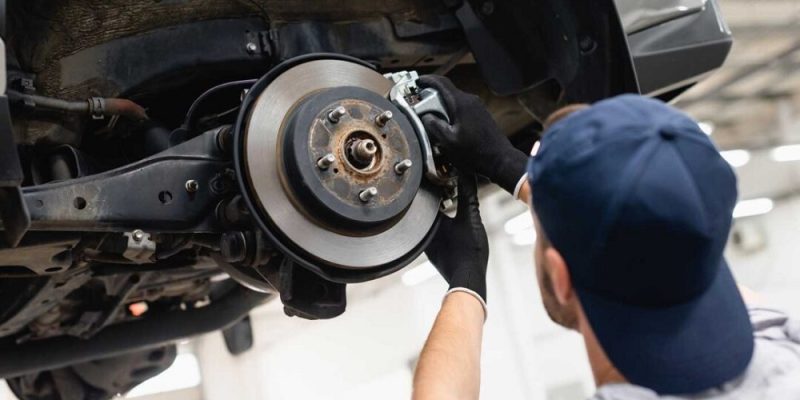
A thorough brake inspection evaluates the total structural integrity of the stopping system. Technicians check for uneven pad wear, fluid leaks along hydraulic lines, degraded friction materials, and structural fatigue in the brake calipers. Identifying these vulnerabilities early ensures that your braking system delivers immediate, predictable stopping power when you need it most, giving you total peace of mind behind the wheel.
Preventing Costly Secondary Damage
Brake components are designed to wear down over time, acting as replaceable contact points that protect more expensive hardware. Brake pads, for example, feature a thick layer of high-friction material engineered to absorb the intense heat and pressure created during braking. When these pads wear past their safe threshold, the bare metal backing plate comes into direct, continuous contact with the metal brake rotor.
This metal-on-metal friction causes severe gouging, warping, and excessive heat buildup, rendering the rotors unusable and requiring complete replacement rather than simple resurfacing. Furthermore, extreme friction heat can damage caliper pistons and melt critical rubber weather seals. Regular inspections detect thin pads early, allowing you to replace inexpensive wear parts long before they destroy high-cost structural components.
Extending Total Vehicle Component Lifespan
An automobile functions as an interconnected ecosystem; when one mechanical system fails or operates under excessive strain, adjacent systems bear the burden. Defective or unbalanced brakes create significant mechanical stress that ripples throughout the entire chassis.
-
Tire Preservation: Sticking calipers or unevenly worn brake shoes can cause subtle dragging on individual wheels. This constant friction leads to localized heat generation and irregular, accelerated tire tread wear.
-
Suspension Protection: Warped brake rotors generate aggressive vibrations—often felt as a pulsating steering wheel or brake pedal—whenever the brakes are applied. Over time, these violent oscillations loosen steering linkages, wear down wheel bearings, and ruin shock absorbers.
-
Fuel Efficiency Gains: Dragging brake pads act like constant, low-level anchors against your engine, forcing the powertrain to burn significantly more fuel just to maintain normal highway speeds.
By maintaining properly aligned, smooth-operating brake components through routine checkups, you protect your tires, suspension, and fuel economy from unnecessary degradation.
Early Detection of Hidden Hydraulic Failures
While drivers often focus on the physical pads and rotors, the hydraulic system is the true engine behind your stopping capability. Modern brakes rely on hydraulic pressure generated by brake fluid pushing through tight, sealed metal lines and rubber hoses to engage the calipers. Because this system is largely closed and hidden under the chassis, dangerous defects can develop unnoticed.
Over time, brake fluid naturally absorbs atmospheric moisture through micro-pores in the rubber hoses. Water contamination significantly lowers the fluid’s boiling point, which can cause internal vapor locks and a terrifying, spongy pedal feel under heavy braking. Furthermore, moisture promotes internal corrosion inside metallic lines, leading to pinhole leaks, sudden pressure loss, or caliper piston seizure. Professional technicians test brake fluid for copper and moisture content, inspecting hoses for dry rot, swelling, or leaks to ensure hydraulic integrity.
Optimized Performance in Extreme Driving Conditions
Vehicle braking demands fluctuate drastically based on load weight, road grade, and environmental factors. Driving down steep mountain passes, hauling heavy trailers, stop-and-go city commuting, or driving in freezing temperatures taxes every component of your stopping system. High temperatures generated by frequent stops can cause brake fade—a temporary, dangerous reduction in stopping power caused by overheating friction material and fluid.
Routine inspections ensure that your brake system meets original manufacturer thermal dissipation standards. Technicians check that dust boots are intact to keep road salt and mud away from sliding pins, verify that anti-rattle clips hold pads snugly, and confirm that heat shields are properly positioned. Keeping these small hardware elements in peak condition prevents premature thermal stress, caliper binding, and dangerous brake fade during high-demand driving scenarios.
Key Components Evaluated During an Inspection
A comprehensive brake service goes far beyond a quick visual glance through the wheel spokes. Certified mechanics execute a methodical evaluation of the total stopping system.
-
Friction Materials: Measuring brake pad and shoe thickness using precision calipers to ensure material remains safely above minimum operating limits.
-
Rotor and Drum Condition: Checking rotor thickness with a micrometer to ensure adequate thermal mass, while inspecting surfaces for heat spots, scoring, or radial cracks.
-
Caliper and Hardware Operation: Verifying that caliper slide pins move freely, dust boots are intact, and mounting brackets are free of rust build-up that could cause pad binding.
-
Hydraulic Lines and Fluid: Testing hydraulic fluid for chemical degradation and checking rigid steel lines and flexible rubber hoses for rust, cracks, or active fluid leaks.
-
Parking Brake Functionality: Inspecting mechanical cables, ratcheting assemblies, or electronic parking brake actuators to ensure secure holding capacity when parked on steep inclines.
Frequently Asked Questions
How often should I have my vehicle brake system inspected?
It is generally recommended to have your brakes thoroughly inspected every 6 months or 6,000 to 10,000 miles. A convenient way to stay on schedule is to request a quick brake check during every routine tire rotation or oil change service.
What is the safe minimum thickness for brake pads?
New brake pads generally measure between 10 and 12 millimeters in thickness. While 3 millimeters is widely considered the minimum acceptable threshold for scheduled replacement, any pad material measuring below 2 millimeters requires immediate replacement to prevent total friction material detachment and catastrophic rotor damage.
Why does my car pull to one side when I apply the brakes?
Vehicle pulling during braking typically points to uneven hydraulic pressure or mechanical binding on one side of the vehicle. Common culprits include a seized caliper slide pin, a stuck caliper piston, a collapsed flexible brake hose restricting fluid flow, or severe oil contamination on one set of brake pads.
How frequently does brake fluid need to be replaced?
Most automotive manufacturers advise performing a complete hydraulic brake fluid flush every 2 to 3 years, regardless of mileage driven. Because brake fluid absorbs humidity over time, regular flushes are necessary to remove moisture, prevent internal line rust, and maintain a firm brake pedal.
Can I visually inspect my own brakes at home without taking the wheels off?
You can perform a basic preliminary check through the wheel spokes using a flashlight to look at the outer pad thickness and check the rotor surface for deep grooves or heavy rust. However, a full inspection requires elevating the vehicle and removing the wheels to inspect the inner pads, caliper slide pins, hydraulic lines, and underlying hardware.
What is the difference between resurfacing and replacing brake rotors?
Resurfacing—often called turning—uses a specialized lathe to shave off a micro-thin layer of metal from the rotor face, removing minor surface scoring and restoring a smooth finish. Replacing the rotor completely is required if the metal has worn down below the manufacturer minimum thickness specification, if deep heat cracks are present, or if severe warping has occurred.