 By Tom Billy
Vaping has become a widespread alternative to smoking, with millions of people using electronic cigarettes and other vape devices around the world. While debates often focus on health effects, there is another dimension that deserves equal attention: the environmental impact of vape products. From production to disposal, every stage of the vape lifecycle carries ecological consequences. This article explores the hidden costs of vaping for the planet, emphasizing waste, pollution, and the urgent need for sustainable practices.
Understanding Vape Products and Their Popularity
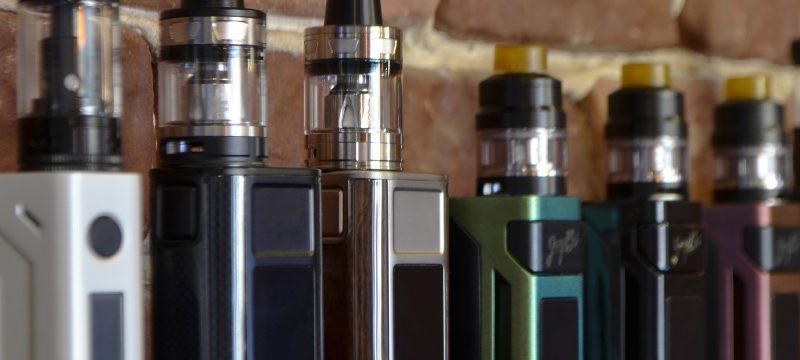
Vape devices, also known as e-cigarettes, heat liquid solutions to produce aerosol that users inhale. These devices range from disposable vapes to rechargeable pod systems and advanced mods. They are often marketed as modern, convenient, and less harmful than traditional cigarettes. However, their popularity has created a fast-growing consumer base, resulting in significant product turnover. The demand for convenience has also fueled the rise of single-use disposable vapes, which intensify the problem of electronic and plastic waste.
The Problem of Disposable Vape Waste
Disposable vapes are designed for single use, combining batteries, plastic casings, and e-liquid chambers in one product. Once the battery dies or the e-liquid runs out, the entire device is discarded. Unlike recyclable materials such as glass bottles or aluminum cans, disposable vapes are difficult to separate into their components, making them nearly impossible to recycle in regular waste systems.
These devices contribute heavily to electronic waste, known as e-waste, which is already one of the fastest-growing waste streams globally. The small lithium-ion batteries inside vapes, if improperly discarded, can leak toxic chemicals into soil and water or even cause fires in waste facilities. This makes disposable vapes one of the most environmentally damaging forms of consumer electronics.
Plastic Pollution and Vape Products
Beyond electronic waste, vapes also contribute significantly to plastic pollution. Cartridges, pods, and casings are typically made from plastic, which does not biodegrade. Instead, it breaks down into microplastics that infiltrate oceans, rivers, and even the food chain. With millions of vape pods consumed monthly, the scale of plastic waste is alarming. Unlike cigarette butts, which are themselves a major pollutant, vape pods are larger and often contain residual nicotine and chemicals, compounding the threat to wildlife and ecosystems.
The Role of Lithium-Ion Batteries
The batteries used in vape devices are a double-edged sword. On one hand, they provide portability and convenience; on the other, they pose serious environmental hazards. Lithium-ion batteries require mining of rare earth elements such as lithium and cobalt, industries notorious for environmental degradation and human rights issues. Improper disposal of these batteries can release harmful metals and chemicals into the environment, while safe recycling processes remain underdeveloped in many parts of the world.
Air and Water Pollution from Vape Chemicals
While vaping avoids the combustion of tobacco, it still involves chemicals. E-liquids contain nicotine, propylene glycol, vegetable glycerin, and flavoring agents. When discarded improperly, leftover liquids can leach into water systems, harming aquatic organisms. Some of the chemical byproducts from vaping, including nicotine residues, can be toxic to plants and animals even in small amounts. Moreover, the production and distribution of e-liquids contribute to carbon emissions, adding to the overall environmental footprint.
Packaging Waste and Consumer Culture
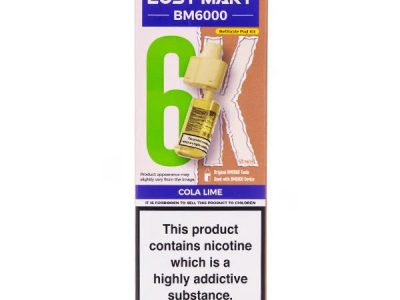
The marketing of vape products often includes colorful packaging, single-use plastic wrappings, and branded boxes. These materials add another layer of waste, most of which ends up in landfills. The cycle of consumer culture around vaping emphasizes frequent upgrades and flavor experimentation, encouraging constant purchasing. This high-consumption pattern amplifies waste generation and resource use.
Comparisons with Traditional Cigarettes
It is worth noting that traditional cigarettes also have a significant environmental impact. Cigarette butts are the most littered item worldwide, with trillions discarded each year, releasing toxic chemicals into the environment. In comparison, vape products may seem less harmful, but the electronic and plastic waste they create introduces entirely new environmental challenges. Instead of solving the waste problem, vaping has shifted it into different forms.
The Economics of Vape Waste
The environmental impact of vape products is not limited to pollution. Waste management facilities must deal with improper disposal of vapes, which increases costs for municipalities. Fires caused by discarded batteries add to safety risks and financial burdens. The lack of established recycling systems for vape devices means that communities often bear the hidden costs of cleaning up and managing this waste.
Steps Toward Sustainable Vaping
Addressing the environmental impact of vape products requires combined efforts from manufacturers, governments, and consumers.
-
Manufacturer responsibility: Companies should invest in eco-friendly designs, such as refillable systems, recyclable materials, and biodegradable packaging.
-
Government regulations: Stronger policies are needed to ensure safe disposal, proper labeling, and recycling programs.
-
Consumer awareness: Individuals can reduce impact by choosing reusable devices, properly disposing of batteries, and avoiding disposable vapes.
-
Recycling innovation: Specialized recycling facilities for e-waste should expand to handle vape products, preventing them from ending up in landfills or oceans.
Moving Toward a Circular Economy
A long-term solution lies in adopting a circular economy model for vape products. This involves designing products with end-of-life recycling in mind, encouraging refillable systems, and recovering valuable materials from discarded devices. Instead of a linear “use and throw away” culture, the vape industry must shift toward sustainability.
Conclusion
The environmental impact of vape products is a growing concern that mirrors broader issues of consumerism, waste, and sustainability. While vaping may offer certain benefits over smoking, its ecological footprint is undeniable. Disposable vapes, plastic pods, lithium-ion batteries, and chemical residues all pose significant threats to ecosystems. However, with collective action from producers, regulators, and consumers, it is possible to minimize these harms and promote more sustainable practices. The choices made today will determine whether vaping becomes another major environmental crisis or an industry that adapts responsibly to global sustainability goals.
FAQs
What makes disposable vapes more harmful to the environment than reusable devices?
Disposable vapes combine batteries, plastics, and chemicals in a single-use design, making them nearly impossible to recycle and highly polluting when discarded.
How do vape batteries contribute to pollution?
Lithium-ion batteries require intensive mining and can release harmful chemicals if not disposed of properly, contributing to soil and water contamination.
Can vape pods and cartridges be recycled?
Most pods are made of mixed materials that are difficult to recycle through normal waste systems, though specialized recycling programs may accept them.
Do e-liquids harm the environment?
Yes, leftover e-liquids contain nicotine and other chemicals that can leach into water systems, posing risks to aquatic life and soil quality.
Is vaping more eco-friendly than smoking traditional cigarettes?
While vaping avoids combustion-related pollution, it creates new problems with e-waste and plastic waste, making its environmental impact different but still harmful.
What can consumers do to reduce the environmental impact of vaping?
Consumers can opt for reusable devices, recycle batteries properly, and support brands that prioritize sustainable practices.
What role can governments play in addressing vape waste?
Governments can implement regulations requiring manufacturers to provide recycling solutions, enforce proper disposal guidelines, and fund public awareness campaigns.