 By Tom Billy
Western Australia does not ease into summer. In the Peel region, the transition from comfortable spring weather to genuinely extreme heat can happen within days. One week you are enjoying mild evenings with the windows open. The next, the Bureau of Meteorology is issuing heat health alerts and residents without functional air conditioning are genuinely at risk.
This is not hyperbole. Extreme heat events in the Perth metropolitan area and surrounding regions have been linked to excess mortality, particularly among the elderly, the very young, and people with chronic health conditions. A home that cannot be cooled adequately during a Mandurah heatwave is not merely uncomfortable. It is a health risk that proper preparation can entirely prevent.
The practical reality is that most Mandurah residents give their air conditioning no thought until it fails. They switch it on for the first time in October or November, find it is not working or not cooling effectively, and then attempt to arrange a repair during the period when every air conditioning contractor in the region is already dealing with urgent calls from similarly unprepared households.
This guide covers the preparation steps that prevent that scenario and what to do if the worst happens despite your best efforts.
The September Preparation Checklist
The optimal time to prepare your air conditioning for summer is before summer begins. September is the right month for most Mandurah households. Temperatures are still mild, meaning any issues discovered can be addressed without the urgency of peak heat, and air conditioning contractors are available for scheduled rather than emergency visits.
Check the filter. This is the single most impactful thing most Mandurah residents can do themselves. A blocked air filter restricts airflow through the indoor unit, reducing cooling capacity and potentially causing the indoor coil to ice up. For split system air conditioning, the filter is usually accessible behind the front panel. For ducted systems, the return air filter is typically in a grille on the ceiling or a wall. Remove the filter, check its condition, and clean or replace it.
Run each system in cooling mode. Switch each system to cooling, set a temperature well below the current room temperature, and confirm that cool air is coming from the outlets. Give the system at least five to ten minutes to stabilise. If the air from the outlets is not noticeably cooler than the room after this time, something is wrong.
Inspect outdoor units. Walk around the property and check that all outdoor condenser units are clear of vegetation, debris, and accumulated dust. Condenser coils that are heavily fouled with dust and debris cannot reject heat effectively, reducing system performance. For coastal Mandurah properties particularly, salt deposits can build up on condenser fins and should be gently rinsed annually.
Check for any unusual sounds or smells. A system that makes new grinding, rattling, or screeching sounds, or one that produces a burning smell when running, needs professional attention before the summer season.
Arrange a professional service if the system is two or more years between services. A professional air conditioning service in Mandurah before the cooling season covers the technical checks that a homeowner cannot perform: refrigerant pressure verification, electrical component inspection, coil cleaning, and an overall assessment of the system’s readiness for summer.
Why Summer Air Conditioning Failures Are So Common
The pattern of summer air conditioning failures in Mandurah is predictable and largely preventable. Understanding why failures cluster in summer helps explain why preparation in spring is so much more valuable than reaction in January.
Thermal stress on components. Air conditioning systems are asked to do their hardest work on the hottest days. A compressor that has been running at moderate load through spring is suddenly being asked to operate continuously against ambient temperatures of 38 to 42 degrees. Components that are marginal in condition manage moderate conditions adequately but fail under extreme load.
First run of the season reveals problems. A system that has been unused through winter is switched on for the first time in serious heat, and this is when developing problems that were not apparent in spring become acute. Refrigerant that has slowly leaked over winter becomes an obvious issue only when the system is operating continuously at high load.
Contractor availability. When multiple systems fail simultaneously across a region during the first heatwave of the season, contractors are overwhelmed with urgent calls. Response times extend from hours to days. Emergency call-out fees are higher than scheduled service rates. The household without functional cooling during this period faces days of extreme discomfort and health risk.
The preparation window in September and early October is the period when none of these pressures exist. Contractors are available, components can be sourced without urgency, and any issues discovered can be addressed at scheduled service rates rather than emergency rates.
What to Do When Your Air Conditioning Fails During a Heatwave
Despite preparation, air conditioning systems can fail unexpectedly. Understanding what to do when this happens during extreme heat reduces both the health risk and the stress of the situation.
First: Check the simple causes. Before calling a contractor, verify that the system’s circuit breaker has not tripped (check the switchboard), that the system’s outdoor unit isolator switch is in the on position, and that the remote control has functional batteries. These are the most common causes of sudden apparent failures that have simple solutions.
Second: Contact your air conditioning contractor. If you have an established relationship with a local Mandurah contractor, call them first. Existing customers typically receive priority over new callers during peak demand periods. Be prepared to describe the symptoms clearly: what the system is doing, when it stopped working, and any sounds or error codes displayed.
Third: Implement heat management in the home. While waiting for a repair, reduce the heat load in the home by closing blinds and curtains on sun-facing windows, avoiding heat-generating activities like cooking during the hottest part of the day, and creating cross-ventilation if outdoor temperatures drop in the evening.
Fourth: Prioritise the most vulnerable household members. In a home without functional cooling during a heatwave, the elderly, infants, and people with chronic health conditions are at greatest risk. Consider temporary accommodation options, contact the local council about cooling centres, or arrange for vulnerable family members to stay with someone who has functional cooling.
Building Heat Resilience Beyond Air Conditioning
Air conditioning is the primary heat management strategy for most Mandurah homes, but its effectiveness is enhanced or diminished by the broader thermal performance of the home. Improving the home’s thermal envelope reduces the burden on the air conditioning system and provides some protection even if the system fails.
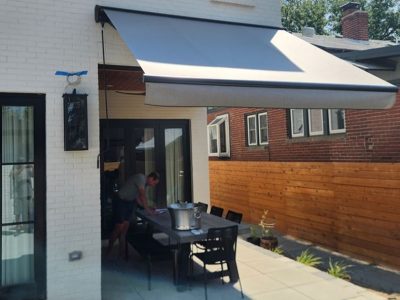
External shading. Window treatments that block direct sun before it enters the home dramatically reduce heat gain. External blinds, roller shutters, and fixed shading structures over west and north-facing windows are more effective than internal curtains or blinds because they intercept solar radiation before it enters and heats the interior.
Ceiling insulation. A well-insulated ceiling is the single most important thermal protection measure in an Australian home. The ceiling is the surface through which the greatest heat gain occurs from a hot summer sun heating the roof. Adequate ceiling insulation slows this heat transfer significantly.
Cross-ventilation. Mandurah’s evening sea breezes can drop temperatures by 10 to 15 degrees relatively quickly on many summer evenings. Homes that can be opened effectively to take advantage of this cooling resource, with windows oriented to capture the south-westerly breeze, reduce their reliance on mechanical cooling during the evening hours.
The Health Dimension of Reliable Air Conditioning in Mandurah
Heat-related illness is a genuine risk during Mandurah heatwaves, particularly for vulnerable household members. Dehydration, heat exhaustion, and heat stroke can develop over hours of exposure to elevated temperatures without adequate cooling.
Reliable air conditioning is the most effective individual household measure against heat-related health risk. A home that maintains interior temperatures below 30 degrees Celsius, even when outdoor temperatures reach 42 degrees, provides a recovery environment that prevents the progressive physical deterioration that occurs with sustained heat exposure.
For households with elderly members, young children, or people with cardiovascular or respiratory conditions, this is not a quality-of-life consideration. It is a health imperative. The investment in well-maintained, reliable professional air conditioning for Mandurah homes is, for these households, an investment in safety as well as comfort.
Making Air Conditioning Maintenance a Regular Habit
The households that consistently avoid summer air conditioning crises are those that have made maintenance a regular habit rather than a reactive response to problems. This does not require significant time or expense. It requires a simple annual routine.
Each September, run the systems in cooling mode. Clean the filters. Check the outdoor units. Arrange a professional service if it has been two or more years since the last one. These steps take an afternoon and cost a fraction of what an emergency repair or a system replacement costs.
The reward is a summer season that unfolds as it should: family time around a cool, comfortable home, rather than a week managing the consequences of a system that was not ready.
Conclusion
Mandurah summers are genuinely demanding. The heat events that the Peel region experiences are not the kind of mild discomfort that an open window can address. They are conditions that require effective mechanical cooling to be safely and comfortably managed.
Preparing your air conditioning before the summer season arrives is the most practical and most cost-effective action any Mandurah household can take. A morning spent in September checking systems and arranging a service appointment prevents the most likely causes of summer failures, avoids the emergency response costs and delays of the peak season, and ensures the home is ready when the first serious heat arrives.
The preparation is simple. The consequences of skipping it are not.