 By Tom Billy
Developing a signature fashion look is one of the most effective ways to express personal identity, streamline daily routines, and project confidence. A signature style goes beyond following fleeting micro-trends or buying expensive designer apparel. It represents a curated, recognizable aesthetic that aligns with your personality, lifestyle, and body proportion.
When you cultivate a signature look, you build a cohesive wardrobe where individual pieces complement each other naturally. This approach eliminates the frustration of deciding what to wear each morning, saves money by reducing impulse purchases, and ensures that your personal brand remains consistent across professional and social environments.
Understanding the Value of a Signature Style
A signature fashion look serves as a visual trademark. Iconic figures throughout history, from fashion editors to creative professionals, have understood the power of a distinct aesthetic. Having a signature style does not mean wearing the exact same outfit every day, though some choose that minimalist path. Instead, it means establishing a clear framework defined by consistent silhouettes, preferred color palettes, signature accessories, or specific textures.
Streamlining Daily Decision Making
Decision fatigue is a real challenge in modern life. By defining a clear aesthetic, you narrow down your choices when getting dressed, allowing you to focus mental energy on higher-priority tasks. A intentional wardrobe ensures that every item serves a specific purpose and works harmoniously with other garments.
Building Long-Term Financial Efficiency
Fast fashion encourages continuous purchasing of temporary trends, leading to cluttered closets filled with worn-once garments. Investing in a signature style shifts your focus toward intentional purchasing. You begin buying higher-quality pieces that fit your established criteria, resulting in a sustainable wardrobe that lasts for years rather than seasons.
Step-by-Step Guide to Crafting Your Signature Look
Creating a signature style requires self-observation, experimentation, and systematic organization. Follow these fundamental steps to build a wardrobe that feels authentically yours.
Evaluate Your Current Wardrobe and Lifestyle
Before purchasing new clothing, analyze what you already own and how you spend your time. Your signature look must fit your daily reality, whether that involves working in a corporate office, attending creative client meetings, or managing an active lifestyle.
-
Conduct a Closet Audit: Go through your current wardrobe and separate the items you wear constantly from those that sit untouched. Take note of why you favor certain pieces. Is it the fit, the fabric, the color, or the comfort?
-
Analyze Your Daily Routine: Calculate the percentage of time you spend at work, social gatherings, working out, and resting. Your signature style should reflect the activities that occupy the majority of your week.
-
Identify Go-To Outfits: Look at photos of yourself from the past year. Identify the outfits in which you felt most confident, comfortable, and composed. Look for recurring patterns in cut, style, and color.
Identify Your Core Style Aesthetic
Defining your style archetype provides a directional compass for future outfit choices. While your personal style can blend elements from multiple categories, identifying core aesthetic preferences helps maintain visual cohesion.
-
Classic and Structured: Characterized by tailored blazers, crisp button-down shirts, neutral colors, and timeless silhouettes.
-
Minimalist and Modern: Defined by clean lines, monochromatic color schemes, simple cuts, and a focus on high-quality fabrics without heavy ornamentation.
-
Bohemian and Relaxed: Features flowing fabrics, earth tones, eclectic patterns, layered jewelry, and natural textures.
-
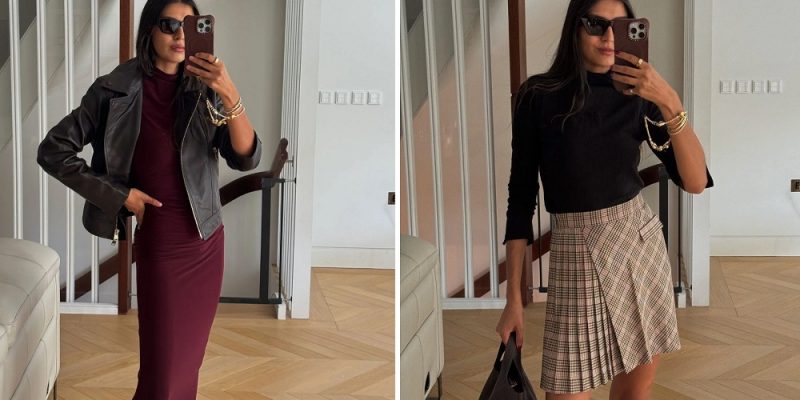
Edgy and Contemporary: Defined by dark tones, leather accents, asymmetrical cuts, bold hardware, and structured boots.
-
Preppy and Sporty: Focuses on tailored knits, polo collars, structured skirts, tailored trousers, and clean footwear.
Establish a Cohesive Color Palette
Color plays a central role in establishing visual identity. A well-defined color palette ensures that your garments can be mixed and matched effortlessly without clashing.
-
Base Neutrals: Choose two or three foundational neutral colors that make up the core of your wardrobe, such as navy, black, camel, grey, or cream.
-
Accent Colors: Select two to four accent shades that complement your skin tone and bring energy to your outfits. These could include deep burgundy, emerald green, muted rose, or cobalt blue.
-
Pattern Limits: Decide how patterns fit into your look. If you prefer solids, stick to subtle textures. If you enjoy prints, choose consistent themes like classic stripes, houndstooth, or subtle florals rather than mismatched micro-trends.
Choose a Signature Element or Accent Piece
A signature look often centers around one or two recurring visual elements that become synonymous with your personal brand. This element serves as an anchor across different outfits.
-
Distinctive Eyewear: Highlighting your face with a memorable frame shape or color.
-
Statement Outerwear: Relying on structured trench coats, tailored leather jackets, or wool overcoats to complete every outfit.
-
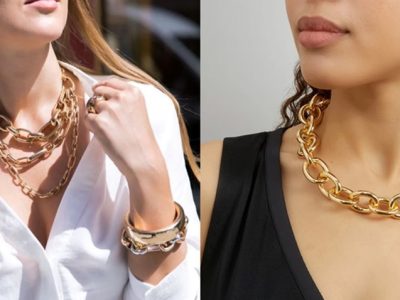
Curated Jewelry: Wearing consistent, high-quality pieces, such as layered gold necklaces, a classic watch, or vintage rings.
-
Footwear Focus: Making a specific style of shoe your go-to baseline, such as polished loafers, sleek ankle boots, or crisp white sneakers.
Refine Fit and Tailoring
The difference between an ordinary outfit and a signature look often lies in how the garments fit. Off-the-rack clothing is designed to fit generic body measurements, which rarely match an individual perfectly.
-
Invest in Tailoring: Hemming trousers to the ideal length, taking in blazer waists, and adjusting sleeve lengths elevate lower-cost items into custom-looking garments.
-
Understand Proportions: Balance loose and fitted garments. If you wear wide-leg trousers, pair them with a structured or fitted top to maintain clear body lines.
-
Prioritize Comfort: If an item pinches, pulls, or requires constant adjustment, it will undermine your confidence. Comfort is an essential component of looking polished.
Maintaining and Evolving Your Signature Style
A signature look is not static; it should adapt as you mature, change career paths, or move to different climates. To keep your signature aesthetic relevant without losing its core identity, practice periodic wardrobe curation.
-
The One-In, One-Out Rule: When adding a new piece to your wardrobe, remove an older item that serves a similar purpose. This prevents closet inflation and maintains intentionality.
-
Seasonal Rotation: Store out-of-season garments out of sight. Keeping only current-season items in your primary closet space reduces visual clutter and simplifies daily selection.
-
Quality over Quantity: Focus on purchasing well-constructed garments made from natural fibers like wool, cotton, linen, and silk. High-quality materials drape better, last longer, and maintain their appearance through repeated wear.
Frequently Asked Questions
How long does it take to develop a true signature fashion look?
Developing a signature look is a gradual process that typically takes several months of intentional experimentation. It involves auditing your existing clothes, testing different combinations, adjusting for fit, and systematically replacing mismatched items with cohesive pieces.
Can I have a signature look if my workplace requires a strict uniform or dress code?
Yes. You can incorporate signature elements into professional dress codes through accessories, footwear, grooming, tailored fits, or outer layers. Outside of work hours, your personal signature style can fully express itself through your leisure choices.
Will having a signature style make my outfits feel repetitive or boring?
A signature style provides a cohesive theme rather than a rigid uniform. By varying textures, layering pieces, alternating accent colors, and mixing accessories within your established framework, you maintain visual interest while remaining recognizably styled.
How do I adapt my signature look to dramatic seasonal temperature changes?
Maintain consistency across seasons by transferring your core elements, color palette, and preferred silhouettes to weather-appropriate fabrics. For example, if your signature aesthetic relies on structured blazers in autumn, transition to lightweight linen blazers or structured waistcoats during summer.
Is it possible to have more than one signature style?
Most people maintain a single overarching style philosophy that adapts slightly across different contexts, such as formal work, casual weekends, and active pursuits. However, keeping the underlying principles—like your preferred color palette and fit preferences—consistent across all settings ensures a cohesive personal brand.
How do I know if a current fashion trend fits my signature style?
Evaluate new trends against your established style criteria: Does the item fit your chosen color palette? Does it align with your preferred silhouettes? Does it work with at least three existing items in your closet? If the answer to these questions is no, the trend is likely a distraction rather than a meaningful addition.
What is the most common mistake people make when building a signature wardrobe?
The most common mistake is buying full outfits directly off mannequins or social media feeds without considering whether those garments fit their personal lifestyle, body shape, or practical daily needs. A successful signature look must be built around your authentic life, not an idealized aesthetic.